




Calmer. More focused. Naturally.
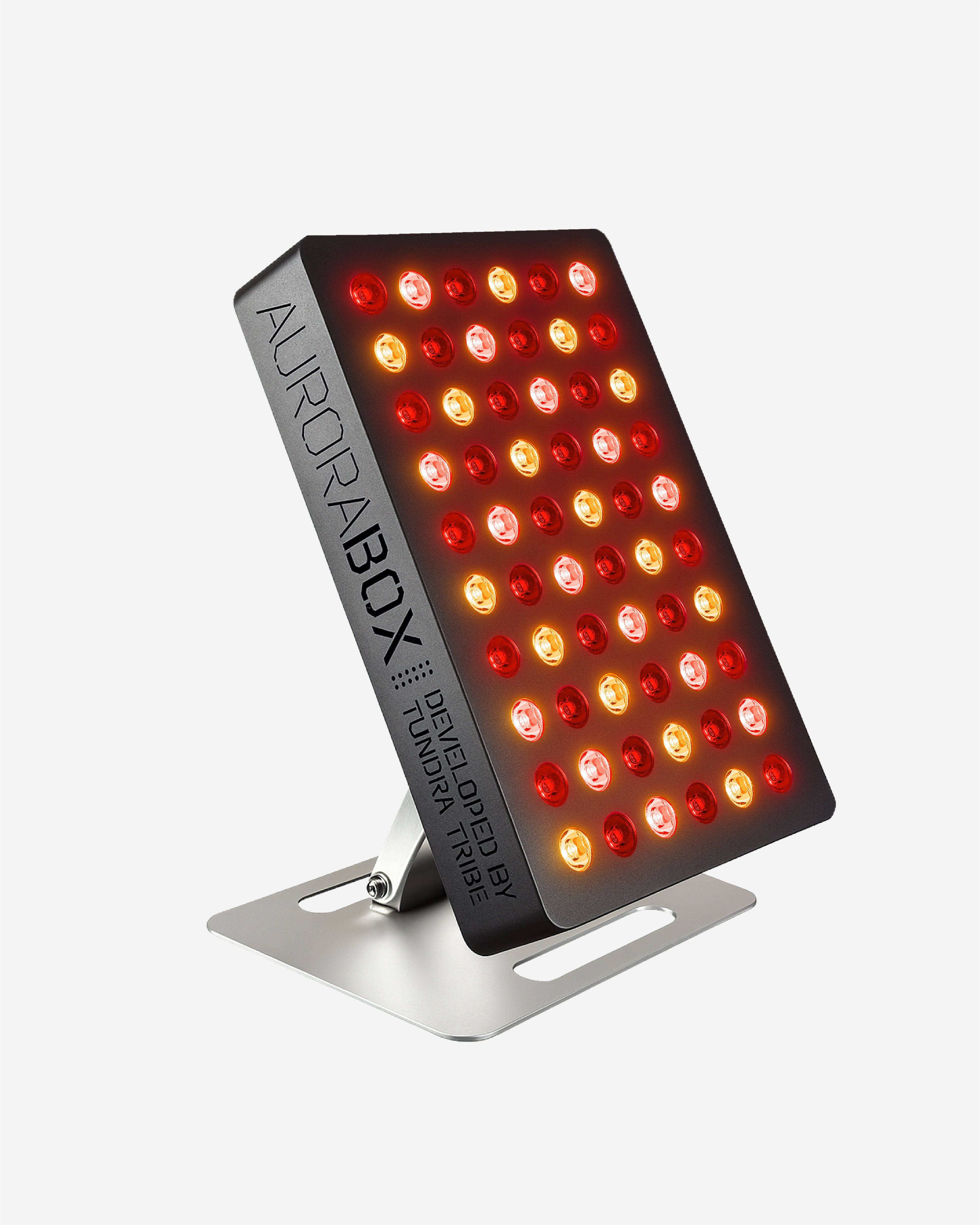
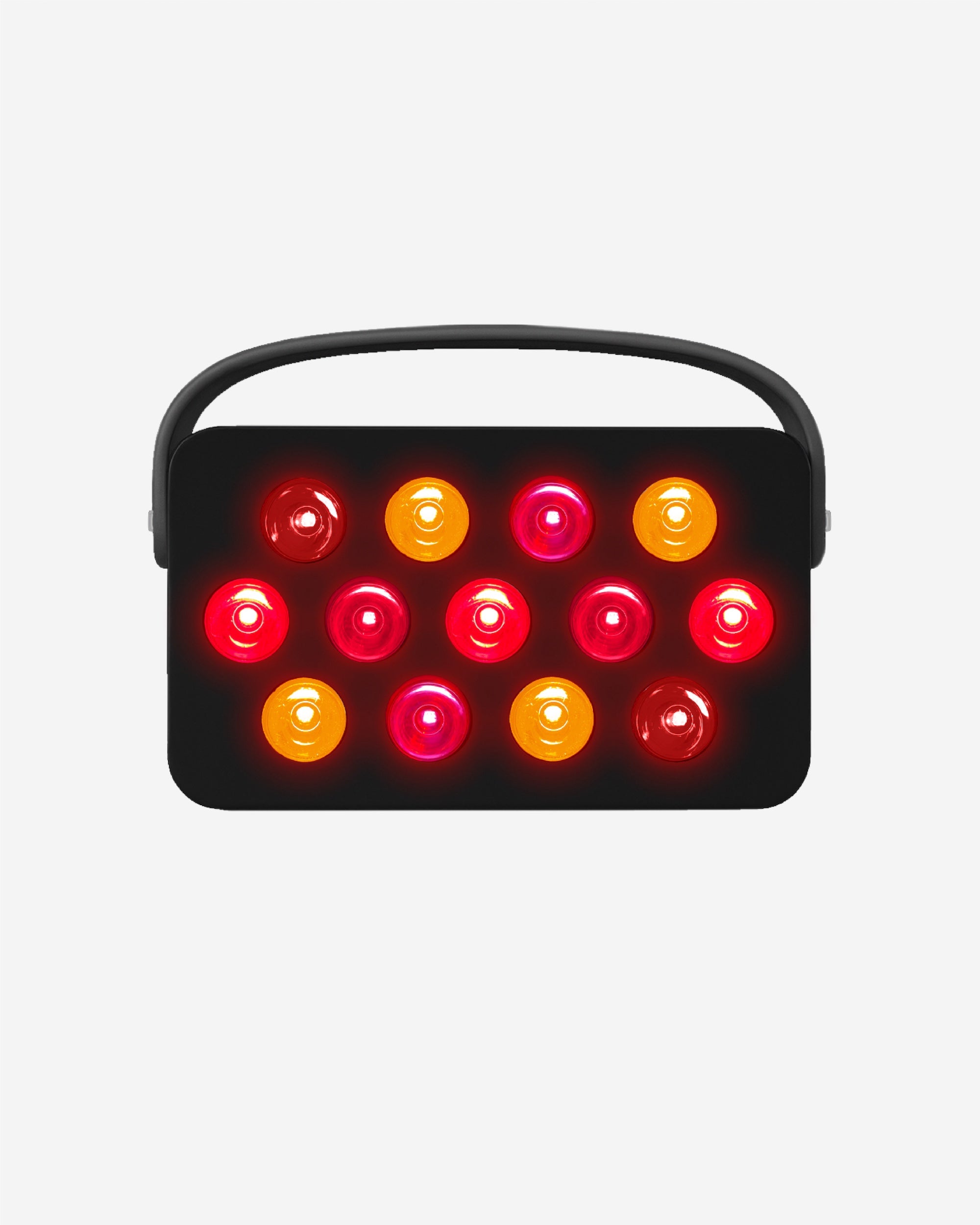
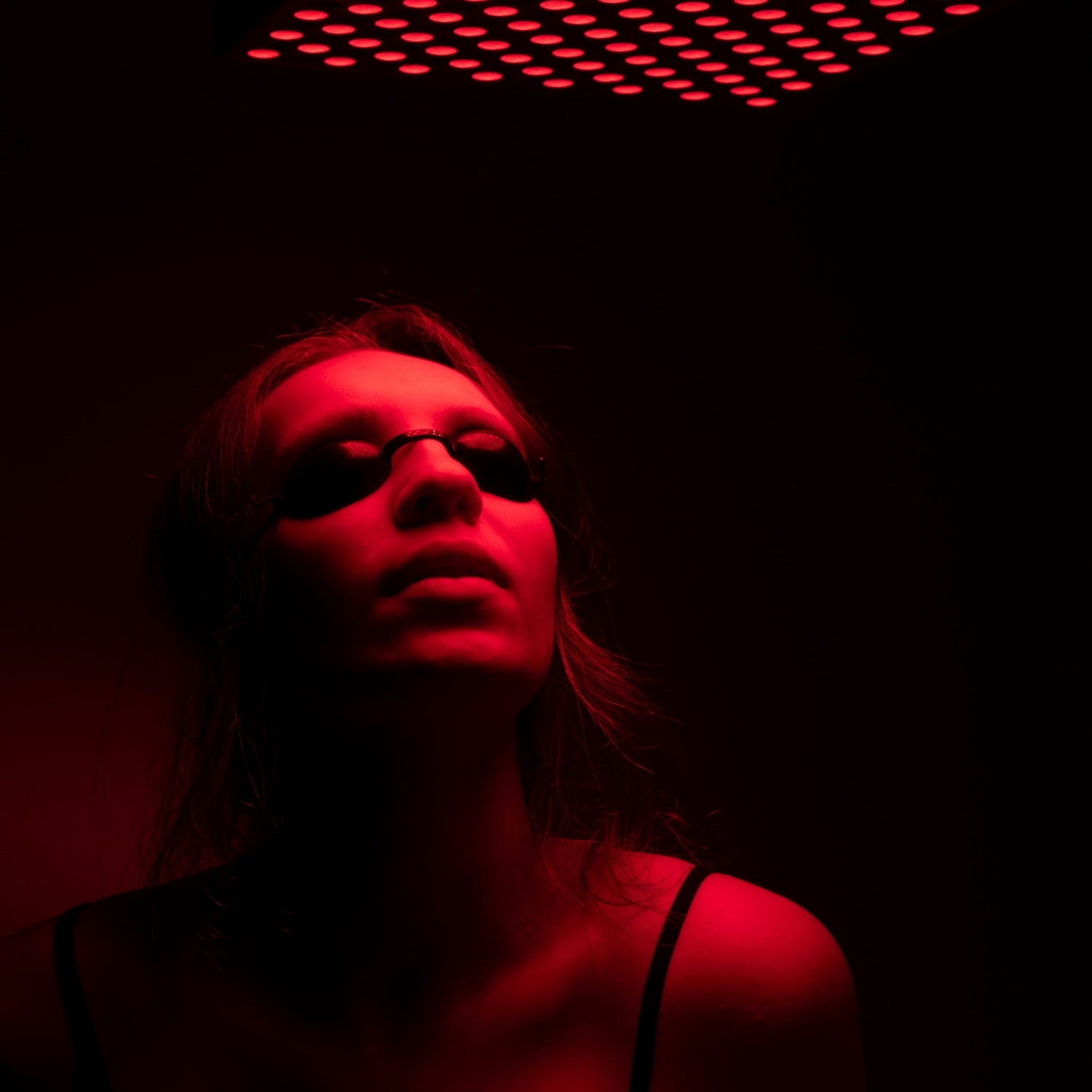
AuroraBox delivers red and near-infrared light backed by 4,000+ peer-reviewed studies — now part of a gentle ten-minute ritual for the busy, growing, restless brain of a child. Screen-free. In your living room.
Light pulses the brain can feel.
AuroraBox isn’t just red light. It’s red light delivered at specific frequencies — the same rhythms your child’s brain already uses to shift between calm, focus, and recovery. Tap any frequency below to see what it does.
The calm frequency.
10 Hz. Relaxation and easeful attention.
Alpha-band activity is associated with a relaxed yet alert state — the neurological rhythm kids naturally slip into when they’re daydreaming, drawing, or winding down. Pulsing near-infrared light at 10 Hz has been studied as a gentle way to encourage this state.
Three areas parents actually notice.
Red and near-infrared light supports energy production inside every cell. For growing kids, the most commonly observed wellness benefits cluster around three areas. The research tier is labeled honestly on each — from peer-reviewed clinical studies to emerging evidence.
A ten-minute habit. Grown with them.
Protocols adapt as kids grow — shorter sessions and gentler wavelengths for younger children, longer and more focused routines for teens. Always with a parent or guardian. Always screen-free.
A soft glow before breakfast. You’re both there.
Set the panel on the counter. Hand them eye shields. Five minutes while you pour cereal. That’s it — the whole session. They’ll ask to do it again tomorrow.
The starter protocol.
Gentle. Short. Part of a morning or pre-bed ritual.
- 1Panel on lowest power. Eye shields on.
- 2Five minutes, seated or standing. Parent nearby.
- 3End. No after-care needed. Continue the morning.
What parents actually see.
Results compound over weeks. Every child is different — some families report changes in the first week, others after a month. The framework below reflects what users most commonly describe, mapped against the published research.
The ritual takes hold.
Week one and two are about building a habit. Kids quickly associate the warm glow with a calm, parent-led moment in the day. Most parents report the routine itself becomes easier by day five or six — even if they haven’t noticed anything else yet.