





How light therapy actually works.
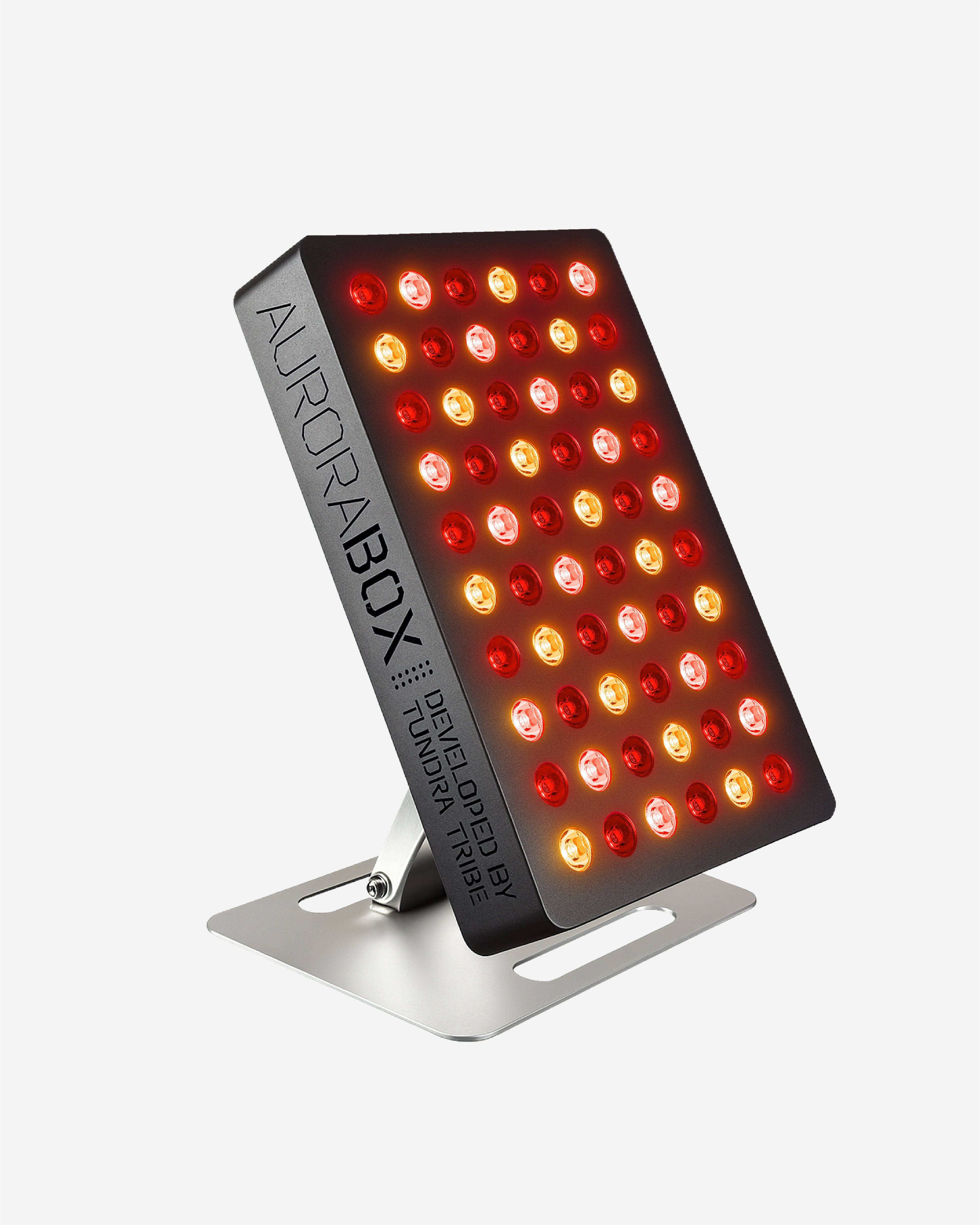
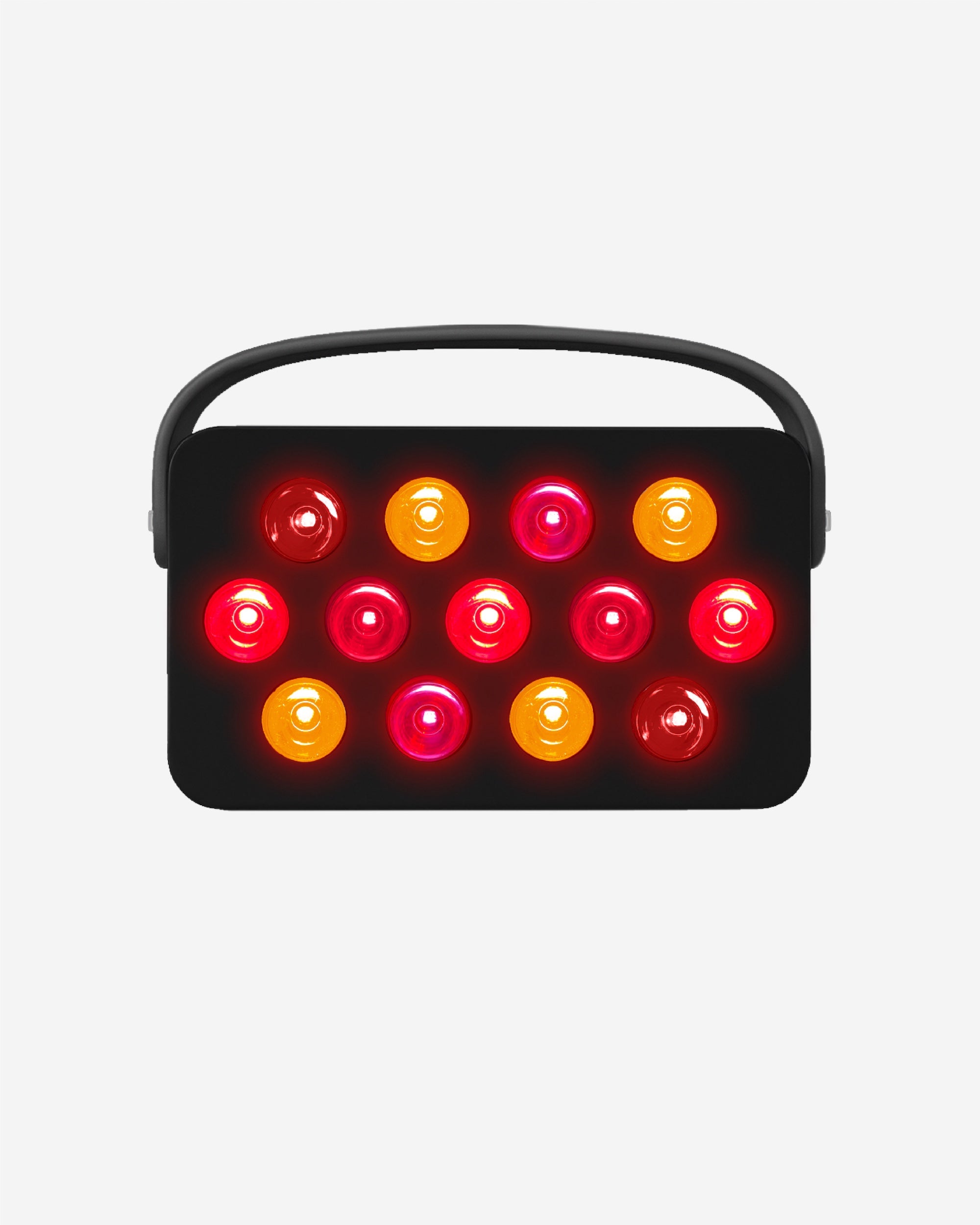
Red light therapy — also called photobiomodulation or PBM — uses specific wavelengths of red and near-infrared light to deliver energy directly to the mitochondria, the tiny power plants inside every cell in your body. More energy means your cells can do what they’re built to do: repair, regenerate, and resist aging.
This page is the primer. No marketing. No hype. Just the six steps that turn a photon of light into cellular fuel — and why the process matters for everything from skin and joints to sleep and cognition.
Light therapy works because specific wavelengths of red (630–680 nm) and near-infrared (810–850 nm) light are absorbed by an enzyme in your mitochondria called cytochrome c oxidase. This boosts cellular energy production (ATP), which supports tissue repair, reduces inflammation, and improves mitochondrial function over time. The effect is measurable, mechanistically understood, and backed by thousands of peer-reviewed studies.